Executive Summary: Healthy Aging Tips That Help Seniors Thrive
Why Mental Engagement Matters as We Age
Emotional Balance Through Enjoyable Routine
The Social Side of Games and Hobbies
Purpose Doesn’t Retire in Senior Health and Wellness
Get More Healthy Aging Tips from Innovation Senior Living
Executive Summary: Healthy Aging Tips That Help Seniors Thrive
- Healthy aging is about engagement, not perfection: Simple, enjoyable activities like games, word puzzles, and creative hobbies support senior health and wellness by keeping the mind active, emotions balanced, and days meaningful.
- Mental stimulation supports confidence and cognition: Brain games for seniors encourage focus, memory, and problem-solving, helping older adults stay mentally sharp while reinforcing a sense of capability and independence.
- Creative hobbies nurture emotional well-being: Activities such as crafting, art, or hands-on projects provide calm structure, self-expression, and purpose, all of which play a key role in emotional resilience as we age.
- Social connection multiplies the benefits: When games and hobbies are shared, they naturally foster relationships, reduce isolation, and strengthen emotional health through everyday moments of connection.
Healthy aging isn’t about chasing youth. It’s about staying engaged with your life in ways that support your mind, body, and sense of self. For seniors, that often starts with simple, enjoyable habits like games, word puzzles, and creative hobbies that bring structure and meaning to the day.
These activities may seem small and simple, but their impact on senior health and wellness is anything but. When practiced regularly and shared with others, they help seniors stay mentally sharp, emotionally balanced, and socially connected.
Why Mental Engagement Matters as We Age
As we grow older, cognitive changes can feel frustrating or even frightening. Slower recall, occasional confusion, or trouble concentrating are common, but they don’t have to define your daily life.
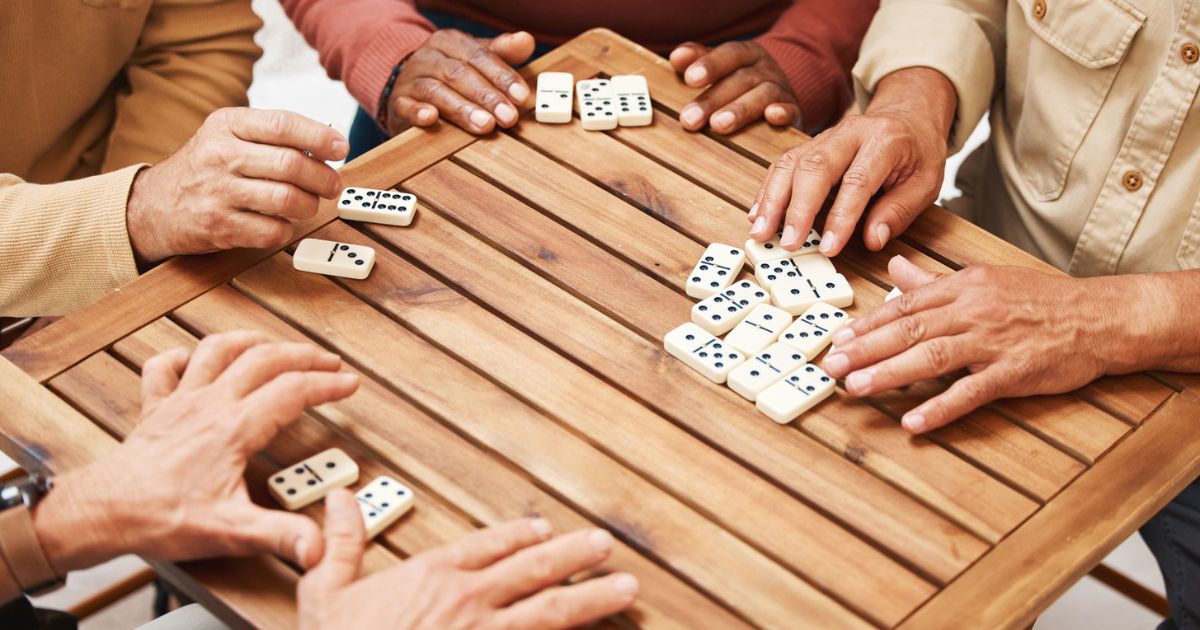
Brain games for seniors provide gentle, low-pressure mental stimulation that keeps your brain active without feeling like work. Crosswords, word searches, card games, and strategy games all encourage problem-solving, memory, and focus.
Consistent mental engagement has been linked to benefits like:
- Improved cognitive flexibility
- Slower cognitive decline
- Increased confidence in daily decision-making
Just as importantly, these activities help seniors feel capable. That sense of competence plays a major role in your emotional well-being.
Emotional Balance Through Enjoyable Routine
Routine is grounding at any age, but it becomes especially important later in life. Enjoyable daily habits create predictability without boredom, offering you something to look forward to each day.
Creative hobbies like painting, knitting, woodworking, or crafting allow seniors to express themselves in ways that don’t rely on words or memory alone. They offer calm focus and a sense of accomplishment, two things that are often disrupted by aging-related changes.
These activities also support emotional health by:
- Reducing your stress and anxiety
- Providing you with a sense of purpose
- Offering you an outlet for self-expression
Rather than filling your time, hobbies can help define it. That distinction matters.
The Social Side of Games and Hobbies
While solo activities absolutely have value, the benefits multiply when games and hobbies are shared. Social interaction is a cornerstone of senior health and wellness, and it often happens most naturally around a table, a project, or a friendly competition.
In assisted living communities like Innovation Senior Living, group activities turn our residents’ individual interests into shared experiences. A puzzle becomes a conversation starter. A craft project becomes a chance to laugh, compare ideas, and connect.
Social engagement through activities can also lead to:
- Stronger peer relationships
- Reduced feelings of isolation
- Improved mood and emotional resilience
For many of our residents, these moments become the highlight of their day… not because of the activity itself, but because of the connection it creates with their friends and neighbors.
Purpose Doesn’t Retire in Senior Health and Wellness
One of the biggest challenges seniors face is a feeling of loss of purpose after retirement or lifestyle changes. Hobbies and games help fill that gap by offering goals, progress, and contribution to a bigger project.
Completing a puzzle, learning a new skill, or helping another resident with a project reinforces the idea that our residents still have something to offer. That sense of usefulness is essential to healthy aging. In community care settings, caregivers often encourage our residents to share their talents through teaching a card game, leading a craft, or participating in group challenges. These opportunities reinforce our residents’ identity and self-worth.
Get More Healthy Aging Tips from Innovation Senior Living
Explore our healthy aging tips, chat with an advisor about our care plans, and more – contact Innovation Senior Living to help your senior loved one cultivate healthy habits and find the connection they’ve been lacking today.