
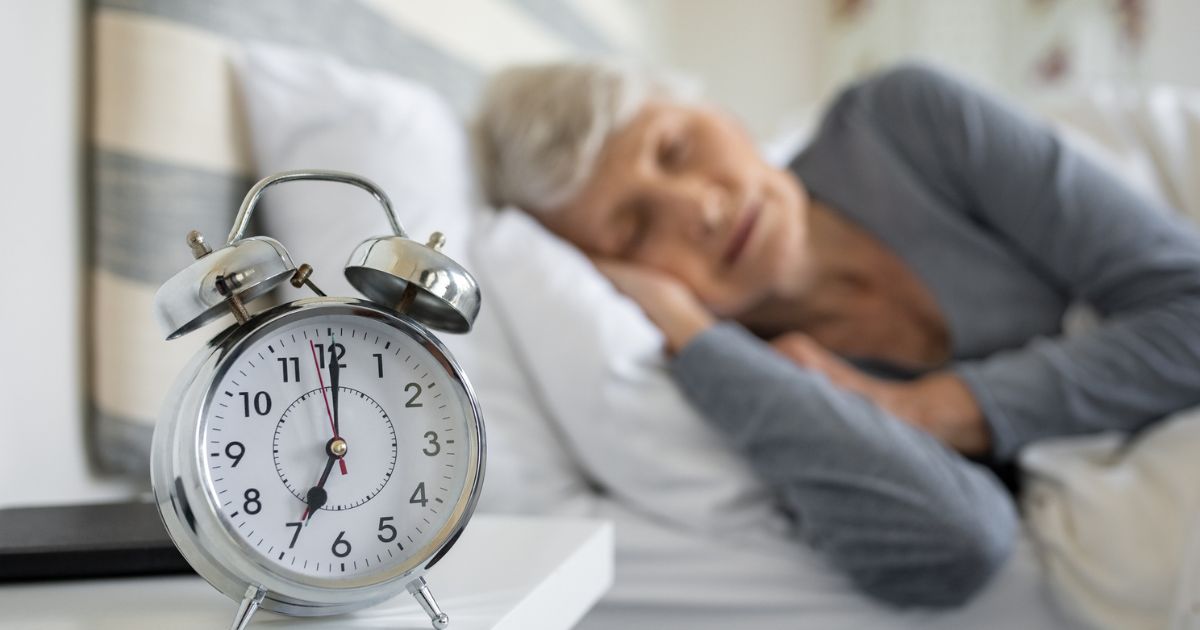
Sleep is essential for everyone, no matter the stage of life that you’re in. However, as we age it can become more challenging to get a full, restful night of sleep. Many seniors experience changes in their sleep patterns, and while some of the sleeping changes in late adulthood are normal, others can signal bigger issues. Our expert care team at Innovation Senior Living is here to explain what causes sleep problems in seniors, their effects on overall health, and the solutions that can be implemented to ensure health and quality of life.
The Most Common Causes of Sleeping Changes in Late Adulthood
If you find yourself asking “Why am I having trouble sleeping?”, know that you’re not alone. Sleep changes as we age. Adults over the age of 65 often report problems falling asleep, staying asleep, or waking up too early. Some of this is due to the natural aging process that we all experience, but other factors can also contribute to disrupted sleep. These include:
Changes in Circadian Rhythm
Your body’s internal clock – also known as your circadian rhythm – is affected by aging. Seniors often become sleepier earlier in the evening and then wake up earlier in the morning. This shift can lead to lighter sleep, more nighttime awakenings, and a lack of sleep quality.
Medical Conditions
Medical conditions can also cause sleeping changes in late adulthood. Acid reflux, restless legs syndrome, Parkinson’s disease, and chronic pain from conditions like arthritis can all interfere with quality sleep. Further, neurological conditions like Alzheimer’s disease and other forms of dementia can bring sleep disruptions to the forefront.
Medications
Many seniors take multiple prescription medications, and some of them can disrupt sleep quality. Sleeping changes in late adulthood can often be contributed to diuretics, beta blockers, corticosteroids, and antidepressants. All of these prescriptions can affect sleep quality or lead to nighttime awakenings.
Mental Health Issues
Mental health conditions like anxiety, depression, and grief can become more common in late adulthood. These conditions can severely disrupt sleep. Worry or sadness may make it difficult to fall asleep, and they might also cause you to wake up multiple times throughout the night.
Sleep Disorders
Insomnia is the most common sleep disorder among seniors, but it’s not the only disorder that causes sleeping changes in late adulthood. Sleep apnea can cause breathing interruptions, and periodic limb movement disorder causes involuntary leg twitching. Both of these sleep disorders are common in older adults and can disrupt sleep if not properly diagnosed.
What are the Health Risks of Poor Sleep in Late Adulthood?
Poor sleep can be frustrating, but its health consequences are even more serious. Sleep is critical for your body to repair itself, process memories, and restore energy that’s needed for the next day. Without proper rest, you face risks that are both mental and physical. These include:
- Cognitive Decline: Poor sleep has been linked to both memory issues and an increased risk of dementia.
- Falls and Accidents: Drowsiness and over tiredness can lead to poor coordination, which increases the risk of falling. This is especially true during nighttime trips to the bathroom.
- Heart Disease and Diabetes: Chronic sleep problems can elevate your blood pressure and disrupt blood sugar regulation, leading to heart problems and diabetes.
- Weakened Immune System: Sleep supports immune functions, which both keep you healthy and allow you to heal. Poor sleep increases your susceptibility to illness and slow healing.
- Mood Disorders: Did you know that negative sleeping changes in late adulthood can worsen depression, anxiety, and irritability?
How to Fix a Sleep Schedule in Late Adulthood
Sleep issues may be common among seniors, but they’re not something you just have to “deal with”. Our skilled team here at Innovation Senior Living has a list of suggestions that can help you figure out how to fix a sleep schedule to get better rest.
- Create a Consistent Routine.
Go to bed and wake up at the same time every day (even on weekends). This helps to regulate your body’s internal clock. You should also avoid naps longer than 30 minutes during the day; they can disrupt nighttime sleep. - Make Your Bedroom Sleep-Friendly.
- Work to make your room more conducive to sleep. We recommend keeping the bedroom cool, dark, and quiet for better sleep at night. You can invest in blackout curtains to keep things dark, a white noise machine to drown out noise disruptions, and a comfortable mattress to ensure rest. You should also remove possible sleep disruptors like TVs, smartphones, or brightly lit alarm clocks.
- Address Underlying Health Issues.
Talk to your doctor about chronic pain, frequent nighttime urination, breathing issues, or any other health conditions that are negatively impacting your sleep. Your doctor can help you effectively manage these conditions to improve your sleep quality. - Review Medications with Your Doctor.
You should also ask your doctor or pharmacist to review your current medications for any side effects that impact sleep. You may be able to do a dosage adjustment or timing change to improve those effects. - Limit Stimulants and Alcohol.
Caffeine and alcohol both interfere with sleep. You should limit your alcohol consumption – especially as it gets close to bedtime – and try not to consume caffeine after the early afternoon. - Try Relaxation Techniques.
Relaxation techniques like meditation, deep breathing, yoga, warm baths, and mindfulness can relax both your mind and body and result in better sleep. - Get Natural Light During the Day.
You should try to get daylight exposure – especially in the morning – to reinforce your natural sleep cycle and your circadian rhythm. Something as simple as a morning walk or sitting by a sunny window can help.
When Should You Seek Professional Help with Sleeping Changes?
If you find that your sleep problems persist for more than a few weeks, or that they interfere with your daily functioning, you should talk to your doctor. They may want to conduct a sleep study to diagnose any underlying conditions that could disrupt your sleep. Sleep isn’t just a luxury – it’s a health necessity.
Get Expert Guidance at Innovation Senior Living
We’re committed to whole body health at Innovation Senior Living, and our professional care team can help. If you’re considering senior living for yourself or your senior loved one, contact us today! You can take a tour of our vibrant community, chat with an advisor, and meet our caregiver team to get the peace of mind you deserve.